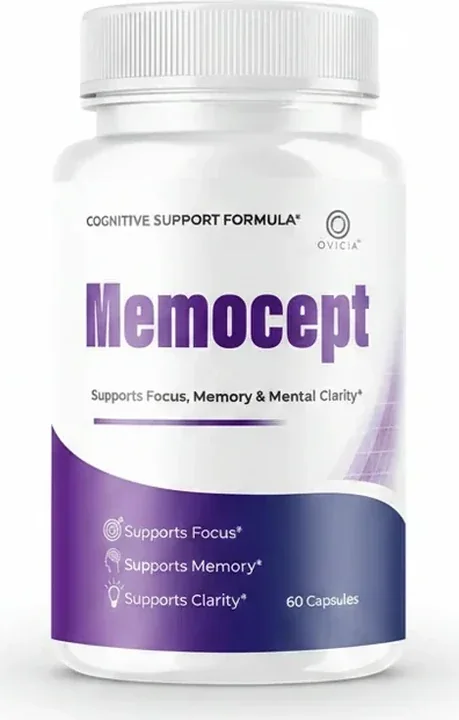
What the sources say about each Memocept ingredient
Six of the seven blend ingredients are compared with research in label order, and caffeine is covered in its own section. L-tyrosine, second in the blend, is at most 75.5 mg per capsule.
Six of the seven blend ingredients, in the order the label prints them, against the research. The seventh is the caffeine above.
L-tyrosine, second, at most 75.5 mg. The professional monograph we read records that “manufacturers commonly recommend 500 to 1,500 mg/day, and dosages of more than 12 g/day are not recommended.” The cognition study it describes gave participants 2 grams in 400 mL of orange juice, after which they inhibited unwanted actions more efficiently than on placebo, with no change in blood pressure, heart rate or mood. The ceiling here is about a seventh of the bottom of the retail range and about a twenty-sixth of the study.
Theacrine, third, at most 50.3 mg. Theobromine, fourth, at most 37.8 mg. We have no source for either that we would stand behind. Not the NIH Office of Dietary Supplements, not NCCIH, not the FDA, and not the professional monographs we opened for the other five. So this site prints no dose comparison, no effect and no safety statement for them. That is not a criticism of the ingredients; it is a description of the evidence base a careful reader has available, and filling the gap with a supplement marketer's summary would be worse than leaving it visible.
Bacopa monnieri, fifth, at most 30.2 mg of extract. This is the ingredient in the blend with the most substantial cognition literature and it sits in the position that kills it. The monograph records that trial “dosages typically ranged from 300 to 450 mg/day” with durations “typically 12 weeks.” The ceiling is a tenth of the bottom of that range. At the printed 20% standardisation the bacosides themselves come to at most 6 mg. The same source records commonly reported adverse effects: flu-like symptoms, GI irritation, nausea, increased intestinal motility and muscle fatigue.
Rhodiola rosea root, sixth, at most 25.2 mg. Here the dose question is downstream of a prior one. NCCIH's position is that “there isn't enough reliable evidence to determine whether rhodiola or its components are useful for any health-related purpose.” The same page records that rhodiola is possibly safe for up to twelve weeks, that side effects may include dizziness, headache, insomnia and dry mouth or excessive saliva, and that interactions between rhodiola and losartan have been reported. Losartan is prescribed for high blood pressure.
Huperzia serrata, seventh, at most 21.6 mg of extract. And here, for the first time on this page, the arithmetic lands somewhere real. At the printed 1% standardisation, 21.6 mg of extract is at most 216 micrograms of huperzine A, against the 0.2 to 0.4 mg/day the monograph records as studied for Alzheimer disease. The ceiling is inside the range.
We want to be careful about how that last paragraph reads, because it is the one sentence on this page that sounds like praise. An ingredient present at a studied amount is an ingredient capable of acting like one, and the same monograph records the cholinergic side effects seen in trials — hyperactivity, nasal obstruction, nausea, vomiting, diarrhea, insomnia, anxiety, dizziness, thirst and constipation — and states that “concomitant use of huperzine A with cholinesterase inhibitors could lead to potentiation of adverse reactions.” Cholinesterase inhibitors are prescribed for Alzheimer's disease. A supplement sold for memory is bought by people who are worried about their memory, and some of them already have a prescription for it.
The label's caution panel covers all of this with a single general clause: consult a physician prior to use especially if you are taking a medication. It names no drug, no class and no ingredient.